Thursday
05:00 PM
Reading by Danzy Senna
Location: Klarman Hall, Rhodes-Rawlings Auditorium, Klarman Hall KG70
 Department Homepage
 Department Homepage
The College of Arts & Sciences
Department Homepage
The College of Arts & Sciences
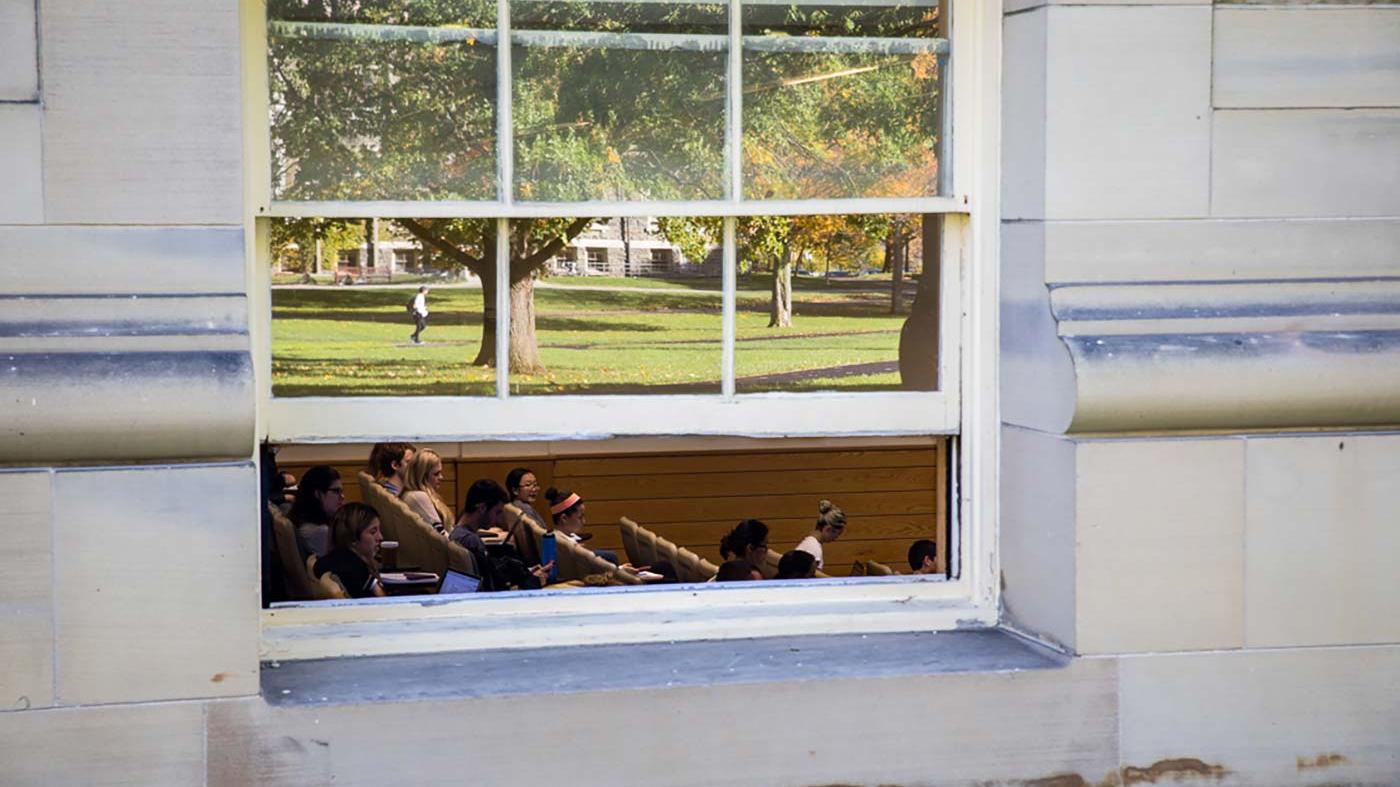
Welcome! Literatures in English as a department teaches students how to read and write about literary cultures. Supported by excellent libraries and in connection with a number of interdisciplinary programs at Cornell, Literatures in English invites students and scholars to engage in conversations about global cultures as they develop skills for the future.
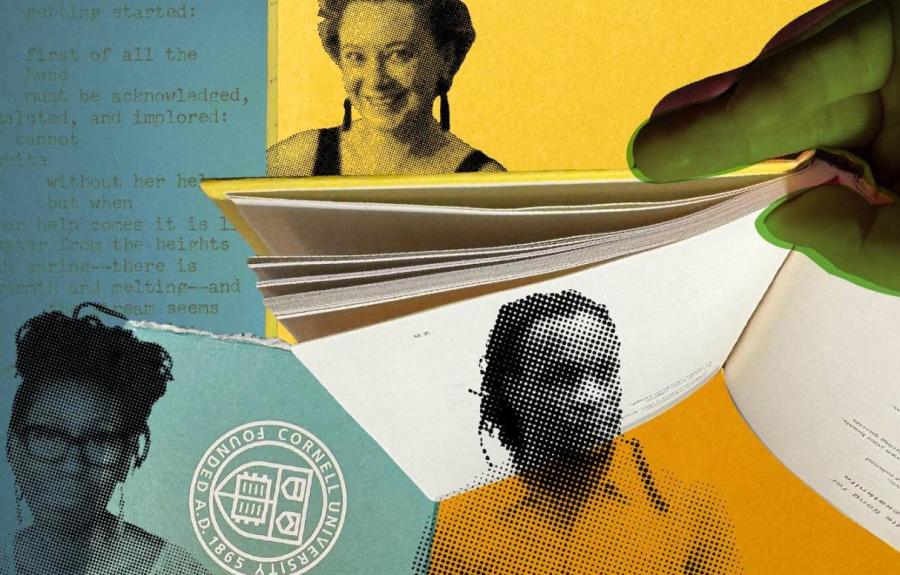
Cornell’s influence on the art and academic discipline of poetry has been deep throughout the university’s history and continues on campus today, where scholars and poets discuss and refine this art form in graduate seminars, gather for open mic nights and study the craft of creating beautiful and meaningful work in undergraduate classrooms.
Discover Cornell poets and the experiences that have shaped them.
Location: Klarman Hall, Rhodes-Rawlings Auditorium, Klarman Hall KG70
Location: Goldwin Smith Hall, 132, Hollis E. Cornell Auditorium
Location: Klarman Hall, Rhodes-Rawlings Auditorium, Klarman Hall KG70
Location: Klarman Hall, KG80, Groos Family Atrium
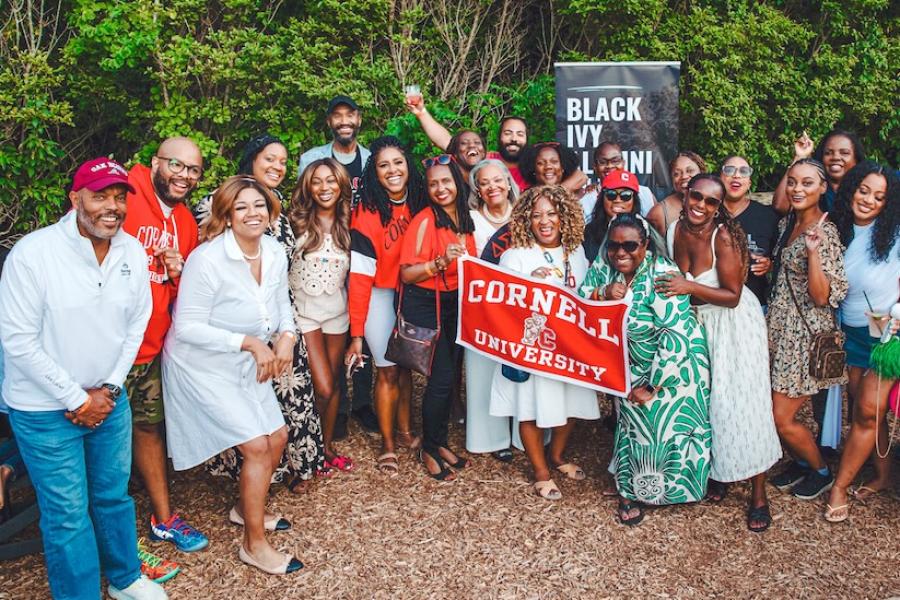
An anniversary gala will mark the Cornell Black Alumni Association’s 50th anniversary April 24-26 in Washington, D.C. Hosted by alumni of Cornell University, the event honors leading alumni and launches a $1.5 million legacy fund.

A Cornell University student reflects on a transformative Oxford semester abroad. Student Ambassador Sarah Mittleman, an English and psychology major in the College of Arts & Sciences, recounts Oxford tutorials, travel across 11 countries and advocates studying abroad.
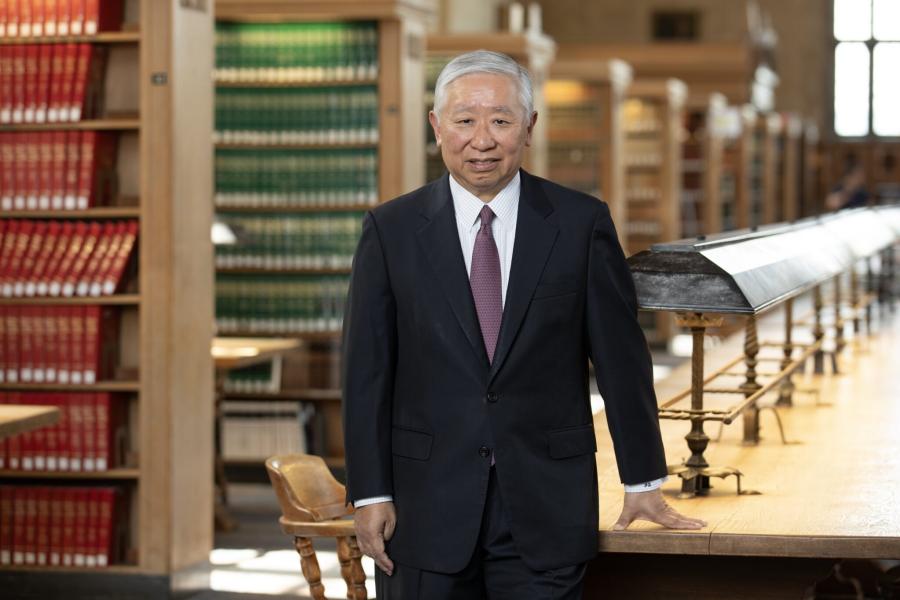
Jonathan Zhu, J.D. ’92, whose A.D. White Fellowship allowed him to attend Cornell, has established the Zhu Family Graduate Fellowships supporting humanities doctoral students at Cornell University. Each of the three 2025 fellows – who are pursuing art history, anthropology, and science and technology studies, appreciates that the fellowship’s financial support paired with release from teaching responsibilities allows them the flexibility to pursue research questions as they arise.
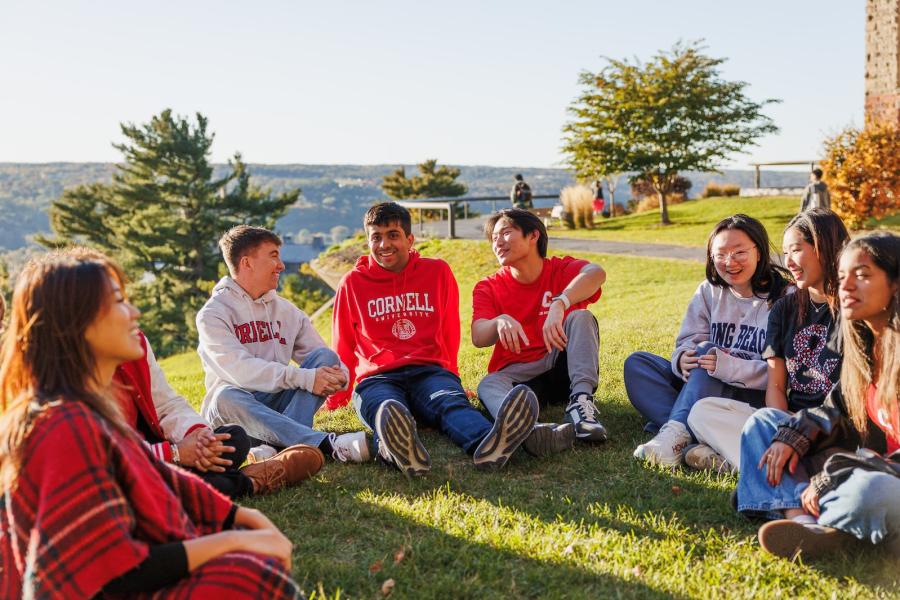
Cornell admits the Class of 2030 emphasizing real-world impact, enrolling 5,776 students from 102 countries.
At Cornell University, the diverse cohort reflects the land-grant mission and applied learning goals across multiple colleges.
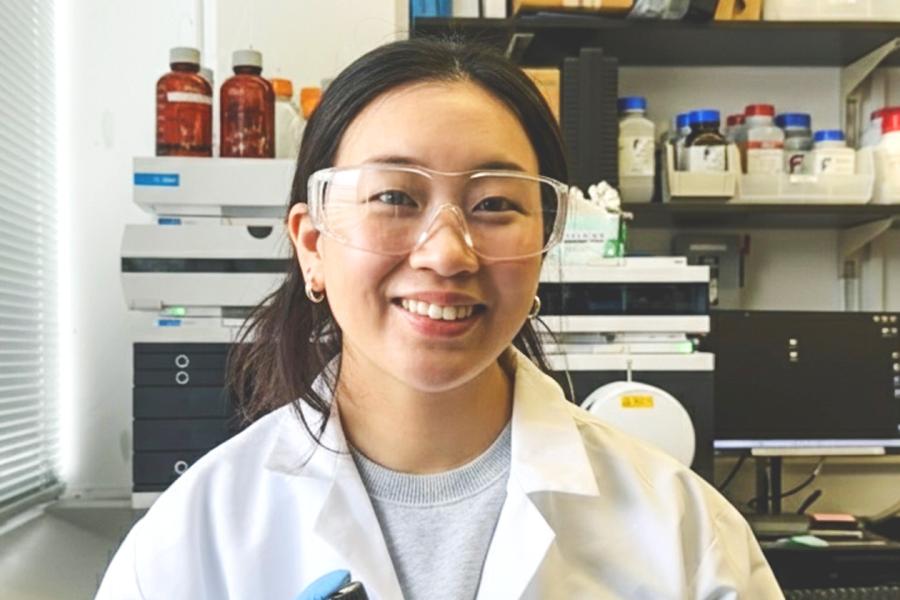
Serin Koh ’26, BA ’25 is pursuing a career in medicine after majoring in literatures in English in Cornell's College of Arts and sciences. She writes that she values interdisciplinarity, which universities often hail as the future of higher education.
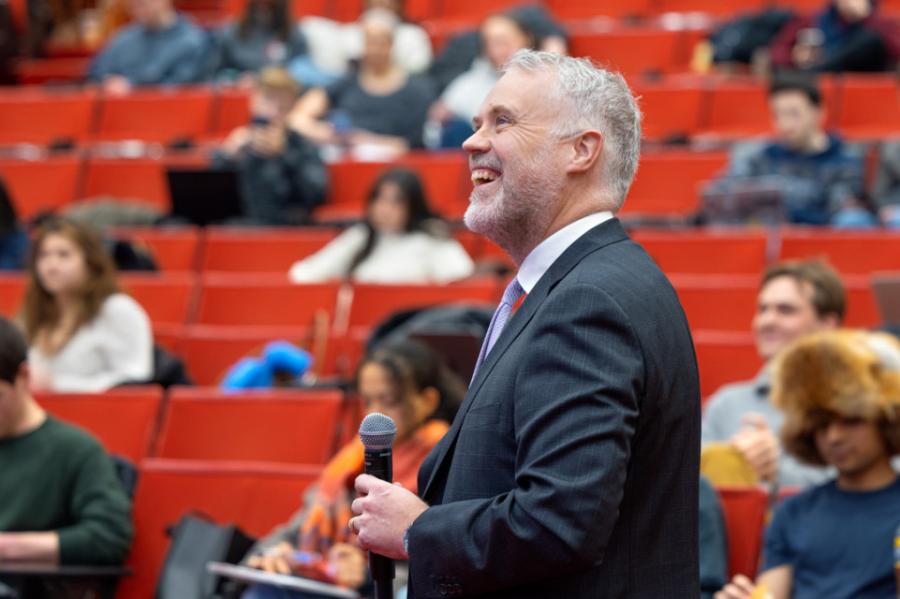
The new class, dean Peter John Loewen said, for students to be able to confront and move through disagreements at work, at home, in their communities and in society.

This month’s featured titles by A&S alumni and faculty include an evolutionary look at dating, a Christian work on inner peace and a queer love story.
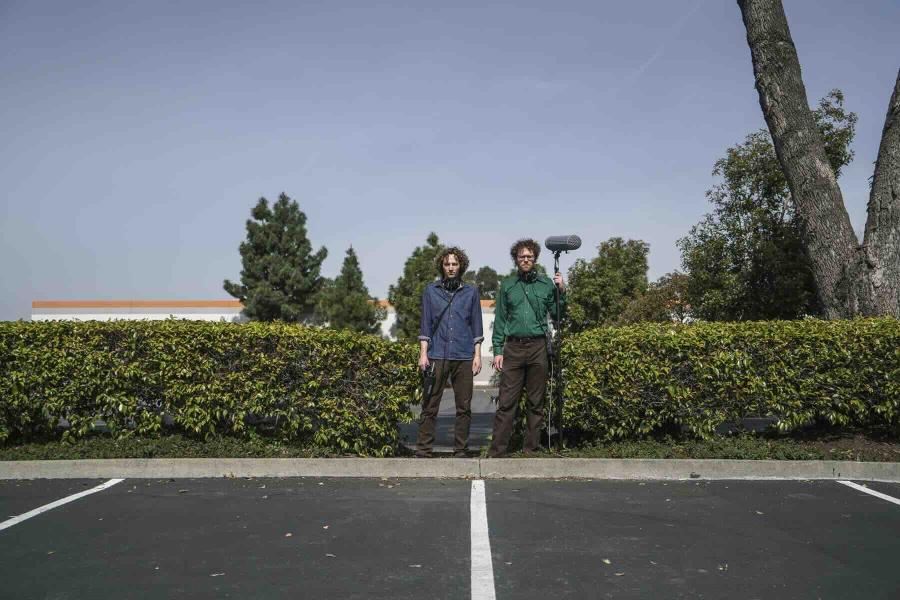
A sonic experience where the audience sits blindfolded is returning to Cornell March 23 for a 6 p.m. performance in Sage Chapel.
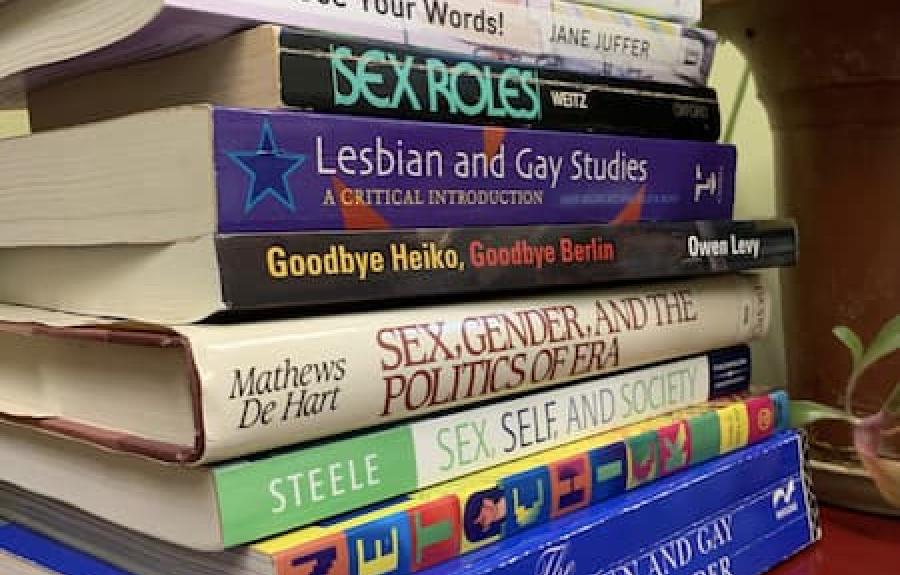
Department faculty continually publish important works of criticism, fiction, poetry, and essays. Visit Literatures in English Faculty: Recent Books to learn more.

Cornell University is located on the traditional homelands of the Gayogo̱hó꞉nǫ' (the Cayuga Nation). The Gayogo̱hó꞉nǫ' are members of the Haudenosaunee Confederacy, an alliance of six sovereign Nations with a historic and contemporary presence on this land. The Confederacy precedes the establishment of Cornell University, New York state, and the United States of America. We acknowledge the painful history of Gayogo̱hó꞉nǫ' dispossession, and honor the ongoing connection of Gayogo̱hó꞉nǫ' people, past and present, to these lands and waters.
This land acknowledgment has been reviewed and approved by the traditional Gayogo̱hó꞉nǫ' leadership.
We, the faculty and staff of the Cornell Literatures in English department, pledge to support and do our utmost to protect members of our community who are discriminated against, unjustly treated, or otherwise targeted because of race, religion, gender identification, sexuality, immigration status, ability, and other forms of difference.
Recognizing that words and symbols can be manipulated into violence, we renew our commitment to direct the force of language toward large and small acts of learning, alliance, imagination, and justice.